

Table of Contents
The Soul of Tradition: Finding the Best Brahmin Caterers in Hyderabad
In a city that celebrates its culinary heritage with such fervor, finding the best Brahmin caterers in Hyderabad is about more than just a vegetarian menu. It is about “Madi” (ritual purity), the precise science of tempering (Thalimpu), and a deep respect for Vedic cooking traditions.
As a catering consultant, I’ve seen the shift in Hyderabad’s event landscape. While modern fusion is everywhere, for weddings, Upanayanams (Munjis), and housewarmings, the demand for authentic, “Sattvic” Brahmin food has never been higher. Whether you are hosting in the traditional lanes of Nallakunta or a sprawling convention center in Gachibowli, the food defines the sanctity of your event.
This guide is built from years of on-ground experience, helping families navigate the nuances of traditional South Indian and North Indian Brahmin catering in the City of Pearls.
Snippet-Ready Answer: What defines Brahmin catering in Hyderabad?
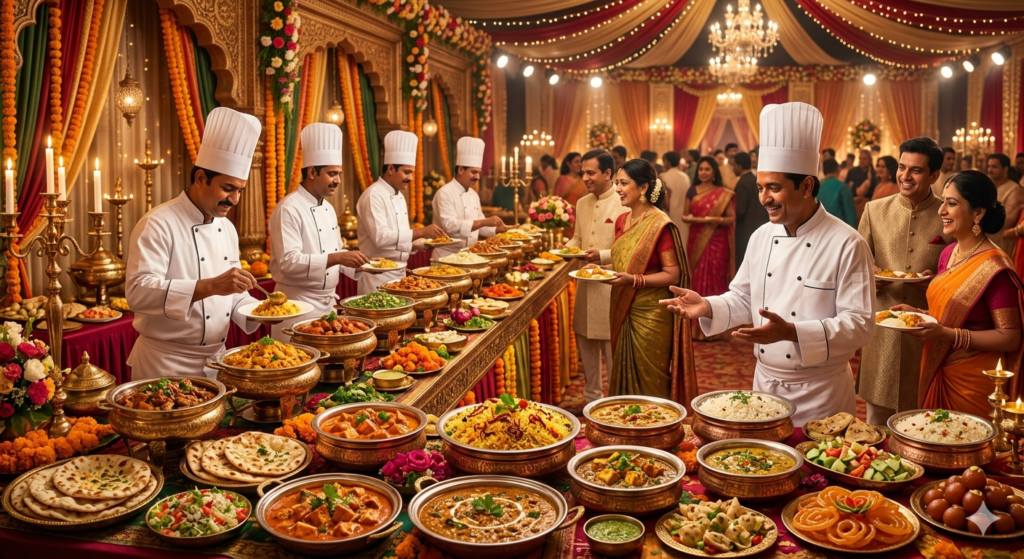
Brahmin catering in Hyderabad focuses on “Sattvic” principles—strictly vegetarian food prepared without onion or garlic. It emphasizes seasonal vegetables, fresh coconut, lentils, and pure cow ghee. Authentic caterers follow ritual purity standards, often employing cooks trained in traditional “Agamas” to ensure the food is suitable for religious offerings and guest satisfaction.
Local Food Preferences: The “Pappu-Annam” Philosophy
In Hyderabad, the Brahmin palate is diverse, primarily split between the Telugu Smartha/Vaishnava traditions and the Kannada/Tamil migrant communities.
The “hero” of a Hyderabad Brahmin buffet is always the Pappu (Dal). Whether it is a simple Muddapappu with a dollop of Neyyi (ghee) or a complex Majjiga Pulusu (buttermilk stew), the consistency must be home-like. Unlike commercial veg catering, Brahmin food avoids heavy food colors and excessive soda, focusing instead on the natural flavors of ginger, green chilies, and curry leaves.
Popular Menu Choices in Hyderabad Brahmin Events
When planning a menu with the best Brahmin caterers in Hyderabad, we typically structure it around the “Shodasa Upachara” of dining—a multi-course progression.
The Traditional “Bhojanam” Menu
- The Essentials: Hot rice, Neyyi (Ghee), and Podi (lentil powder).
- The Wet Curries: Gutti Vankaya (stuffed brinjal) or Bendakaya Fry.
- The Soul Stews: Sambar (drumstick/shallot) and the mandatory Rasalu or Charu.
- The Starters: Vada, Bajji, or Ariselu.
- The Finale: Chakkera Pongali (Sweet rice) and creamy Perugu (Curd) served with Vadiyalu.
The Modern “Sattvic Buffet” (2026 Trend)
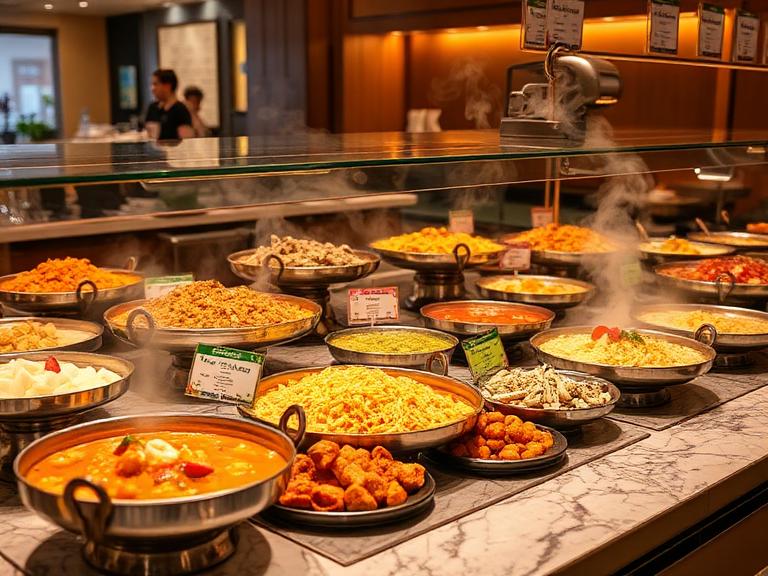
Today, even traditional families opt for a buffet for receptions. This includes:
- Live Counters: Pesarattu with Upma, Live Jalebi, and Neer Dosa.
- Main Course: Paneer Lababdar (Sattvic version), Veg Pulao, and Malai Kofta.
- Dessert: Apricot Delight (Sattvic) or traditional Basundi.
Area-Specific Event Trends
Hyderabad’s geography often dictates the catering style:
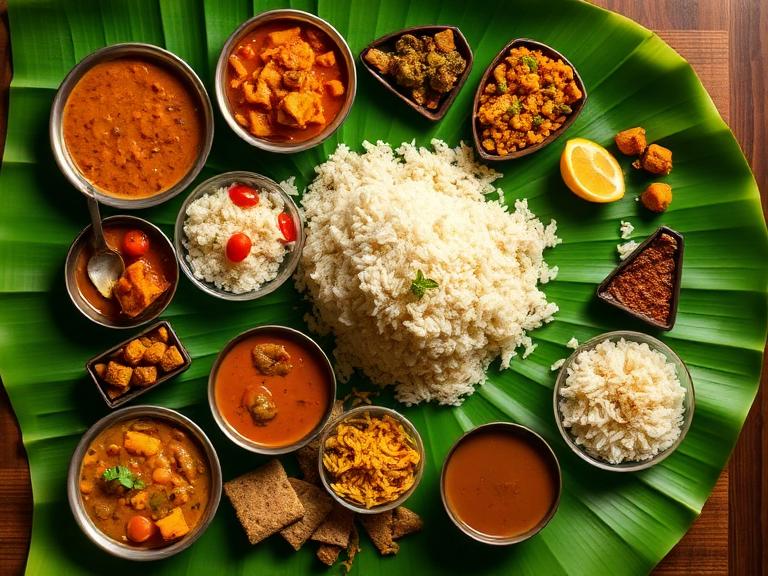
- Nallakunta & Vidyanagar: The heart of traditional Telugu Brahmin culture. Here, the “Arati Aku” (Banana Leaf) meal is non-negotiable. Authenticity in the Panchadara Chilaka and Purnam Boorelu is the benchmark for trust.
- Jubilee Hills & Banjara Hills: Focus is on “Boutique Brahmin Catering.” High-end presentation, organic ingredients, and silver-service staff while maintaining strict onion-garlic-free standards.
- West Hyderabad (Kondapur/Tellapur): A mix of South and North Indian Brahmin traditions. Multi-cuisine Sattvic menus that include Dal Bati Churma alongside Bisi Bele Bath are rising in popularity.
Guest Volume Patterns & Planning
Managing a Brahmin kitchen for 100 people is vastly different from 1,000.
For small religious ceremonies (50-100 guests), the focus is on “Madi” kitchen standards. The caterer must ensure the food is prepared after a ritual bath and without tasting during production.
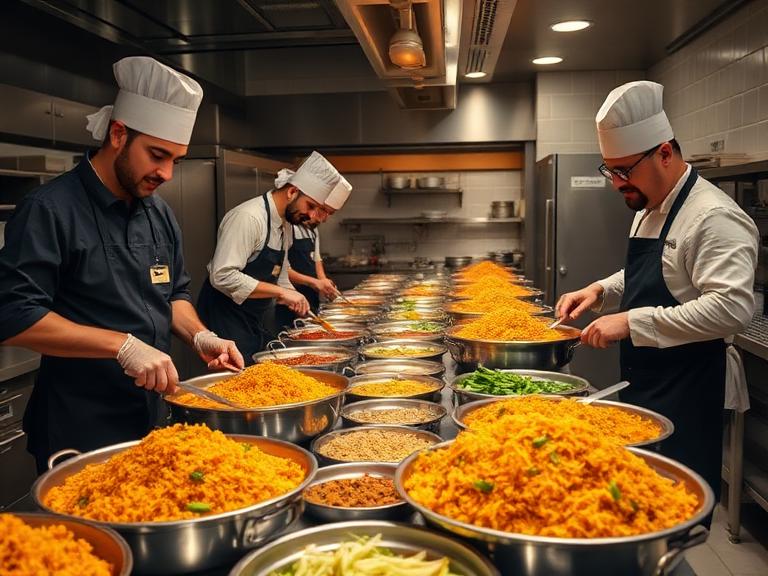
For large weddings (500+ guests), the logistics of “Hot Supply” become critical. Brahmin food, specifically Vadas and Phulkas, loses its soul if it sits in a heater for too long. Trusted caterers in Hyderabad use specialized “Live Tawa” teams even for traditional items to keep the quality consistent.
Local Service Logistics: The Hyderabad Factor
In 2026, a trusted caterer must navigate Hyderabad’s specific challenges:
- Water Quality: Brahmin cooking relies heavily on the taste of the water. Top caterers use RO water plants on-site to ensure the Charu and Sambar don’t taste “hard.”
- Transport: With Hyderabad’s traffic, food is often prepared in a central kitchen in areas like Moosapet or Uppal and moved in insulated containers.
- Staffing: Brahmin catering requires staff who understand the etiquette of “Banana Leaf” service—knowing the sequence of serving salt, pickles, and curry is a sign of a professional team.
Local Cost Expectations (2026 Estimates)
How much should you budget for a Brahmin caterer in Hyderabad?
| Package Type | Avg. Price (Per Plate) | Menu Scope |
| Traditional Bhojanam | ₹450 – ₹650 | Full Banana Leaf meal, 2 Sweets, 1 Savory. |
| Standard Sattvic Buffet | ₹600 – ₹850 | 2 Live Counters, 3 Starters, 12 Main items. |
| Premium Elite Menu | ₹950 – ₹1,500+ | Organic produce, Silver service, 5+ Live counters. |
Note: Prices vary based on the “Ghee Brand” used and the complexity of the dessert menu.
Frequently Asked Questions (FAQs)
1. Do Brahmin caterers in Hyderabad provide food without onion and garlic?
Yes, this is the core of Brahmin catering. “Sattvic” menus are prepared entirely without onion, garlic, or any non-vegetarian ingredients.
2. Is ritual purity (Madi) maintained in the kitchen?
Trusted caterers like Vaibhavam Caterers have dedicated “Pure Veg” kitchens where religious standards are strictly monitored by experienced supervisors.
3. Can we get a mix of North and South Indian Brahmin food?
Absolutely. Modern Brahmin caterers are adept at serving Chole Bhature (Sattvic) alongside Avakaya Annam to cater to diverse guest preferences.
4. What is the minimum guest count for a Banana Leaf meal?
Most professional caterers require a minimum of 50 guests for a full leaf service. For smaller numbers, they may suggest a “Mini-Meal” or box service.
5. Are the cooks themselves from the Brahmin community?
While many top caterers employ Brahmin head chefs (“Vandakas”) to ensure authentic taste, the general staff is trained in traditional hygiene and service etiquette.
6. Do they handle “Pooja” requirements?
While caterers handle the food, many can also provide the Prasadam for the Pooja (like Chakkara Pongali or Pulihora) prepared under even stricter standards.
7. How do you handle leftovers in a traditional event?
Brahmin traditions emphasize not wasting food. We encourage hosts to bring containers so unserved food can be packed for the family or donated to local charities.
8. What are the “Hidden Costs” I should look out for?
Always ask if mineral water bottles, paper napkins, and trash disposal are included. In Hyderabad, transport fees for “Farmhouse” locations (Moinabad/Shamshabad) are usually extra.
Conclusion: Book with Confidence
Choosing the best Brahmin caterer in Hyderabad is a decision that impacts the spiritual and social success of your event. It’s about finding a partner who values your traditions as much as you do.
At Vaibhavam Caterers, we blend the discipline of traditional Brahmin kitchens with the logistical excellence of 2026. From the first drop of ghee to the last scoop of curd, we ensure your guests experience the true taste of “Home away from Home.”
Would you like a customized menu for your upcoming ceremony? Contact our traditional planning experts today for a free consultation.

Leave a Comment