
Table of Contents
Finding Trusted Catering Services in Hyderabad: A Consultant’s Perspective
In Hyderabad, a city where food is the primary language of hospitality, “trust” isn’t given easily. As a catering consultant, I’ve seen thousands of hosts agonize over a simple truth: Your event is only as good as the last plate of Biryani served. Whether it’s a grand wedding in Gachibowli or an intimate housewarming in Jubilee Hills, the stakes are exceptionally high.
In 2026, the term “trusted catering services in Hyderabad“ has evolved beyond just good taste. It now encompasses logistical precision, ingredient traceability (FSSAI standards), and the ability to serve a consistent temperature to 500 guests simultaneously.
This guide provides a practical, industry-insider look at how to evaluate vendors so that your reputation as a host remains untarnished.
Comparison: Top Catering Tiers in Hyderabad (2026)
| Service Category | Typical Per Plate (Veg) | Typical Per Plate (Non-Veg) | Ideal For |
| Heritage Nizami | ₹650 – ₹850 | ₹950 – ₹1,500 | Grand Weddings & Valimas |
| Traditional Telugu | ₹450 – ₹700 | ₹650 – ₹950 | Engagements & Family Events |
| Modern Fusion | ₹750 – ₹1,100 | ₹1,100 – ₹1,800 | Corporate Galas & Cocktails |
| Boutique/Small Scale | ₹350 – ₹550 | ₹500 – ₹750 | Birthdays & Housewarmings |
Evaluation Criteria: How to Spot a “Trusted” Vendor
When I vet a caterer for a high-profile client, I look past the glossy Instagram photos. A trusted vendor must pass these four “Back-of-House” tests:
1. Ingredient Integrity
The best caterers don’t source meat from local retail shops. They have direct tie-ups with certified slaughterhouses to ensure “Potla” (tender goat) mutton. For vegetarian menus, they source seasonal produce directly from wholesale markets like Gudi Malkapur to ensure freshness.
2. The Service-to-Guest Ratio
A common point of failure is hiring a caterer with great food but poor service. A trusted service maintains a ratio of 1 server for every 15-20 guests. This ensures that water glasses stay full and appetizers reach every corner of the hall, not just the people near the kitchen door.
3. Kitchen Hygiene (The FSSAI Factor)
In 2026, hygiene is non-negotiable. If a caterer refuses to let you visit their central kitchen, that is a red flag. Trusted vendors maintain temperature-controlled transport (Hot-boxes) to ensure food doesn’t enter the “danger zone” for bacterial growth during transit.
4. Scalability Consistency
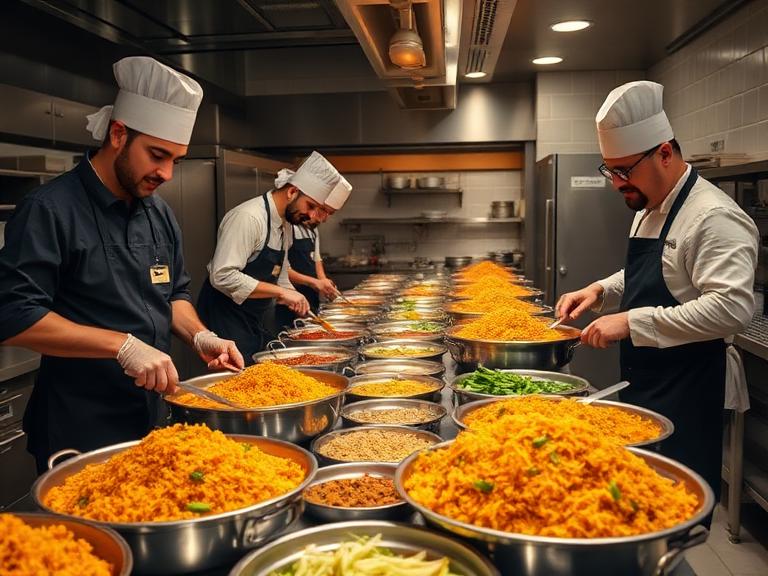
Can they cook for 1,000 people with the same finesse they show in a 10-person tasting? Look for vendors who own their equipment (industrial-scale Degs and burners) rather than those who rent them on a per-event basis.

Taste Comparison: Nizami Heritage vs. Andhra Traditions
Hyderabad is a unique melting pot where two distinct culinary philosophies coexist. Choosing the right one depends on your guest profile.
- Nizami Specialists: These vendors excel in slow-cooked Dum techniques. Their “Hero” dishes are Mutton Marag, Shadi ka Red Chicken, and the legendary Kachchi Akhni Biryani. The flavor profile is rich, nutty (using cashews and almonds), and aromatic.
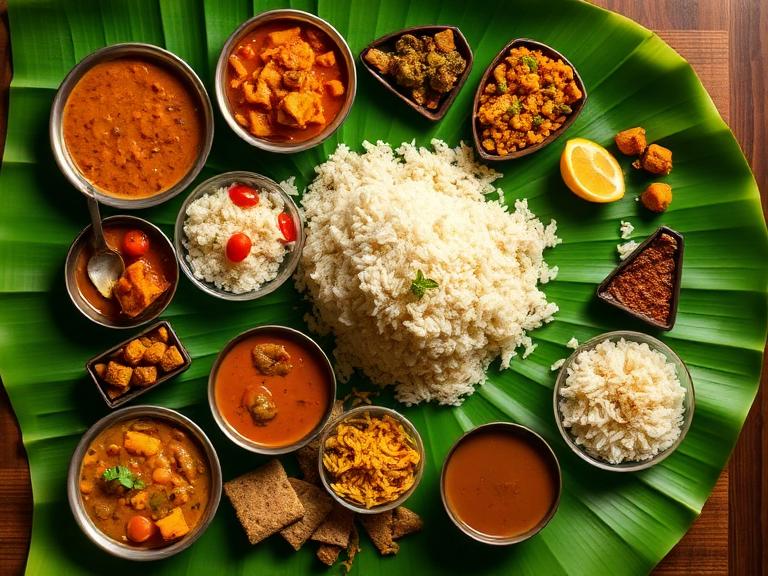
- Andhra/Telangana Experts: If you want the authentic spice of Gongura Mamsam or a traditional Brahmin Bhojanam on a banana leaf, you need a specialist who understands local tempering (Thalimpu) and the precise heat of Guntur chillies.
Service Comparison: Buffet vs. Plated vs. Sit-down
How you serve the food is as important as what you serve.
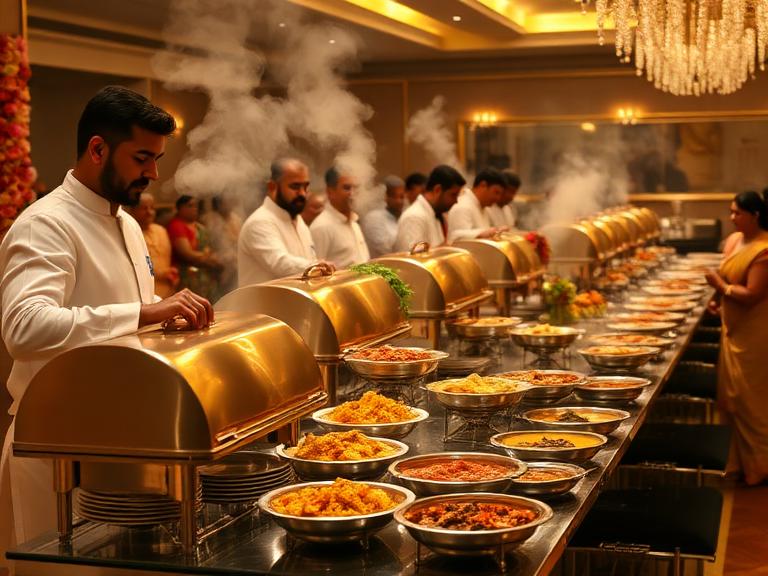
- Buffet (Most Popular): Great for variety and cost-effectiveness. Trusted caterers use high-quality Chafing Dishes to keep food at 65°C or above.
- Sit-down (Panti Bhojanam): The ultimate mark of respect in traditional South Indian weddings. It requires a massive service army to ensure hot rice and ghee reach everyone at once.
- Plated Service: Emerging in 2026 for boutique “Elite” events in Jubilee Hills. This is highly curated but requires the highest per-plate cost due to labor intensity.
Pricing Comparison: Understanding the “Hidden” Costs
When comparing quotes, ensure you are looking at “All-Inclusive” pricing. A “Trusted” caterer will be transparent about:
- Transport Charges: Often free within 20km, but extra for “Farmhouse” locations like Moinabad.
- Crockery/Cutlery: Is it basic melamine or premium Bone China?
- Water & Ice: These “Actuals” can add ₹40-₹60 per plate if not clarified upfront.
- GST: Standard 5% for catering services.
Event Suitability: Matching Menu to Occasion
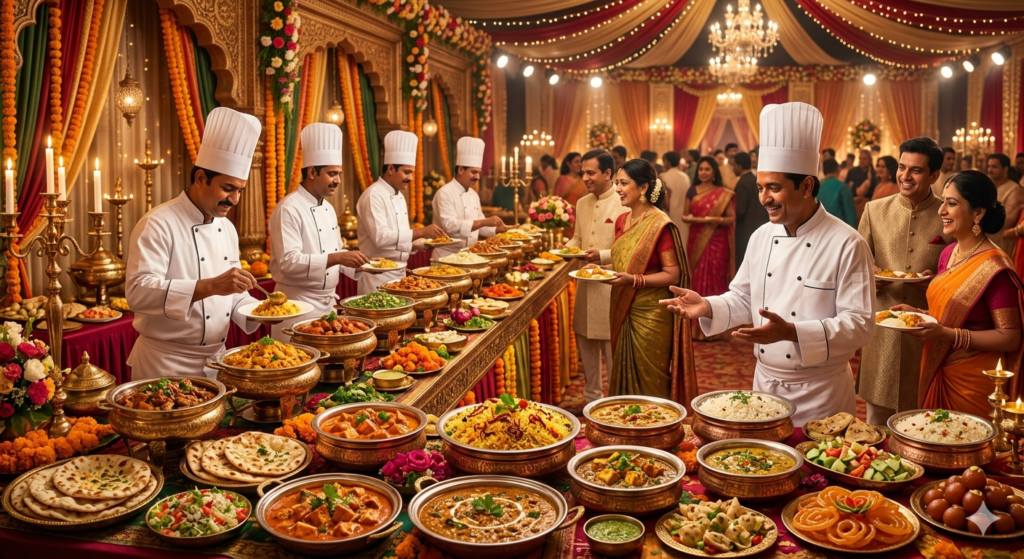
For Weddings: Focus on the “Grand Finale.” In Hyderabad, the wedding is judged by the Biryani. Ensure your package includes at least two “Hero” starters like Pathar-ka-Gosht or Apollo Fish.
For Corporate Events: Focus on “Clean Eating.” Avoid heavy oils. Opt for Live Salad bars, Pasta stations, and “Bite-sized” appetizers that don’t stain fingers or clothes.
5 Critical Mistakes While Comparing Vendors
- Booking Based on “Last Year’s” Wedding: Chefs change. Always request a fresh tasting.
- Ignoring the “Oil” Grade: Many budget caterers use palm oil. Trusted vendors use high-grade sunflower or groundnut oil.
- Over-complicating the Menu: 50 items on a buffet usually means 40 are mediocre. Pick 15-18 high-quality items instead.
- Neglecting the “Sweet Tooth”: Hyderabadi guests take their desserts seriously. Never compromise on the Qubani ka Meetha or Jalebi counter.
- Underestimating the “Buffer”: Always ensure the caterer can handle a 10% surprise guest count without running out of the main course.
Practical Menu Example: The “Best of Hyderabad” 2026
Appetizers (Live Counters):
- Mutton Marag: Served with Baby Naan (Rich, spicy bone-marrow soup).
- Pathar-ka-Gosht: (Mutton seared on hot stone).
- Paneer 65: (Classic spicy temper for veg guests).
The Main Event:
- Special Mutton Dum Biryani: (Aged Basmati, 1.5:1 meat-to-rice ratio).
- Dum ka Chicken: (Silky, nutty gravy).
- Gutti Vankaya: (Traditional stuffed brinjal).
- Mirchi ka Salan & Dahi ki Chutney.
Desserts:
- Baked Qubani with Malai: (Modern twist on the apricot classic).
- Double ka Meetha: (Ghee-fried bread soaked in saffron milk).
Frequently Asked Questions (FAQ)
1. How do I verify if a catering service is “trusted”?
Check for FSSAI certification, request a visit to their central kitchen, and ask for “Real-time” references—events they are handling this current week.
2. What is the average cost of wedding catering in Hyderabad?
For 2026, a quality non-veg menu ranges from ₹850 to ₹1,200 per plate. Pure veg menus range from ₹550 to ₹850.
3. Do caterers in Hyderabad provide “Tasting” sessions?
Yes. Most trusted caterers provide a tasting for 2-4 people once you have shortlisted them. Be wary of those who charge excessively for a tasting.
4. Can I customize the menu for Jain or Satvik guests?
Yes. Professional caterers like Vaibhavam Caterers maintain separate “No Onion, No Garlic” prep areas for Satvik requirements.
5. How far in advance should I book?
For the peak wedding season (November-February), book at least 4 to 6 months in advance. For corporate events, 1 month is usually sufficient.
6. Do caterers handle the venue cleaning?
They are responsible for the dining area and their kitchen setup. General venue cleaning (the hall/lawn) is usually the responsibility of the venue owner.
7. What is a “10% Buffer”?
This means the caterer prepares food for 10% more than your guaranteed count. You only pay for these extra plates if they are used.
8. Is the service staff included in the per-plate price?
In most premium packages, yes. However, for budget packages, “Service Boys” might be billed at a daily wage rate. Always clarify this.
Summary: Making the Right Choice
A trusted caterer is your insurance policy against a failed event. By focusing on Ingredient Quality, Service Ratios, and Logistical Transparency, you can ensure your guests leave with satisfied palates and fond memories.
At Vaibhavam Caterers, we believe that trust is built one plate at a time. We combine three generations of culinary heritage with 2026’s modern hygiene standards.
Would you like me to create a customized menu draft for your event date? Contact our planning team today.


Leave a Comment